
5 Reasons Why Dermatologists Are Recommending This Product Over Botox

The Maintenance Cycle

1. Results Last Longer Without Constant Maintenance

The reality of Botox treatment is becoming a talking point in dermatology circles: results are temporary by design.

When the botulinum toxin wears off after 12-16 weeks, clients are back where they started, scheduling another appointment and another injection session. Dermatologists report that many patients express frustration with this cycle, particularly as the costs and time commitments add up year after year.

The conversation in the field is shifting toward solutions that work continuously rather than episodically. Skin health experts are increasingly focused on treatments that support the skin's natural regenerative processes, allowing results to build over time rather than resetting to zero every few months.

Authenticity Matters

2. Patients Want Natural Movement, Not a Frozen Appearance

One of the most common complaints dermatologists hear in their practices isn't about Botox not working—it's about it working too well.

Over-treatment or improper technique can leave patients with limited facial mobility and an unnatural appearance that's become the subject of public scrutiny. Beyond aesthetics, there's the practical reality: needles, potential bruising, injection site reactions, and post-treatment restrictions (no lying down for hours, no exercise for 24 hours).

A growing segment of patients is explicitly asking their dermatologists about non-invasive options that deliver improvements without the clinical intervention. The demand for solutions that enhance rather than paralyze is reshaping treatment recommendations across the industry.

The Full Picture

3. Botox Only Addresses One Aspect of Aging

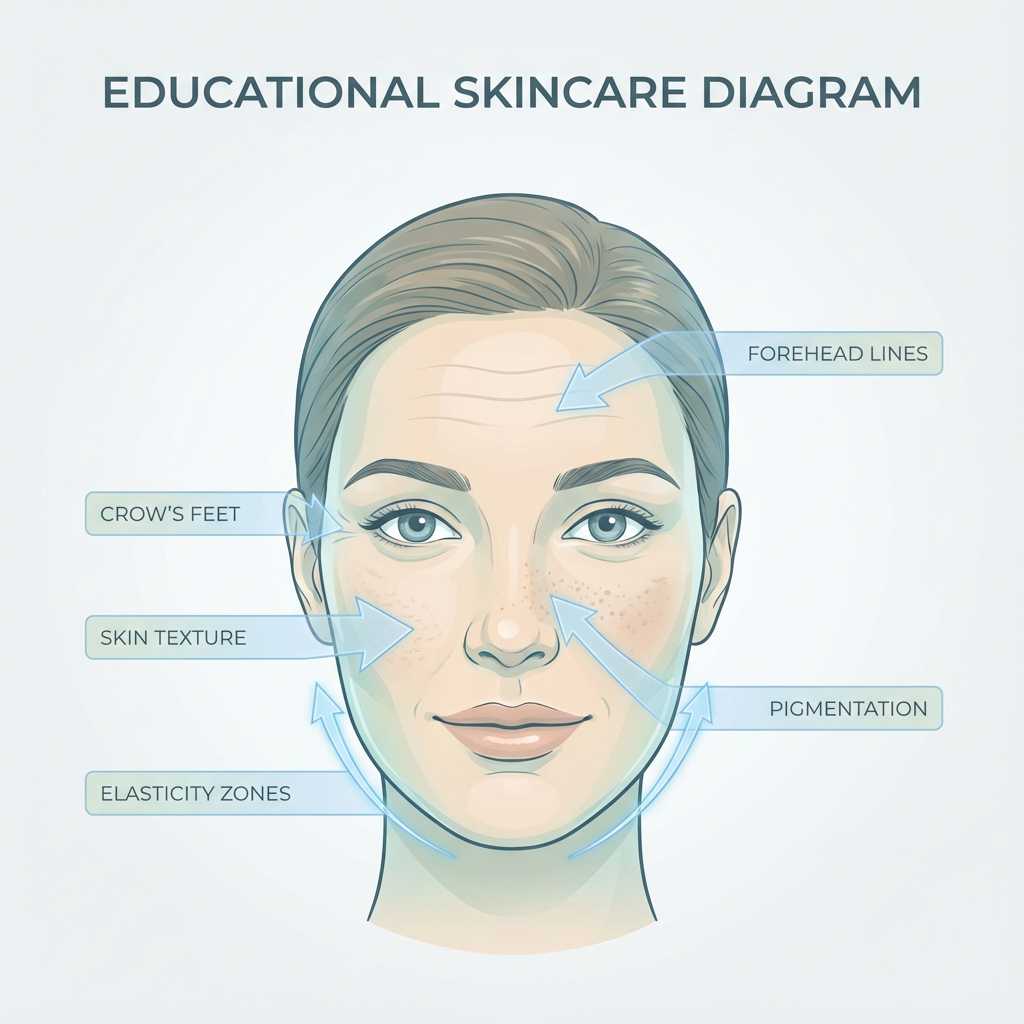
Medical professionals are increasingly educating patients on a crucial distinction: Botox exclusively targets dynamic wrinkles caused by repeated muscle contractions—think frown lines and crow's feet. It does nothing for static wrinkles (lines visible at rest), skin texture, loss of elasticity, hyperpigmentation, or overall skin quality deterioration.

This means patients who get Botox for forehead lines may still struggle with sagging, uneven tone, rough texture, and aging in other facial areas.

Dermatologists report spending more consultation time explaining these limitations and discussing comprehensive approaches to facial aging. The industry trend is moving toward multi-modal treatments that address the full spectrum of age-related skin changes rather than isolated symptoms.

The Financial Reality

4. The Long-Term Costs Are Unsustainable for Most Patients

When dermatologists break down the mathematics of Botox maintenance, patients often experience sticker shock.

At $300-600 per treatment area, with sessions needed three to four times annually, the ongoing investment ranges from $1,200 to $2,400+ per year—and that's just for basic maintenance of results, not accounting for adding new treatment areas as aging progresses. Over a five or ten-year period, the cumulative cost can rival a luxury vehicle purchase.

Financial considerations are becoming a more prominent part of the consultation process, with practitioners reporting that cost sustainability is now among the top three concerns patients raise. This economic reality is prompting both doctors and patients to evaluate whether there are more cost-effective approaches to age management.

A New Paradigm

5. The Field Is Shifting Toward Targeted Topical Solutions Over Invasive Procedures

There's a philosophical shift happening in aesthetic dermatology. While injectables like Botox revolutionized the field and remain valuable tools, leading practitioners are questioning whether they should be the automatic first recommendation for every patient concerned about aging.

The emerging perspective prioritizes skin health as the foundation, with injectables positioned as supplementary options rather than primary solutions. This approach emphasizes supporting the skin's natural barrier function, collagen production, and cellular turnover through evidence-based topical treatments before—or instead of—moving to invasive procedures.

Professional conferences and peer-reviewed journals are increasingly featuring discussions about patient-centered care that respects individual preferences for intervention levels, recovery time, and treatment philosophy. The consensus: there's no one-size-fits-all solution, and patients deserve education about the full range of clinically-proven options.

1700+ Verified Reviews

5 out of 5 stars

What Dermatologists Are Recommending Instead

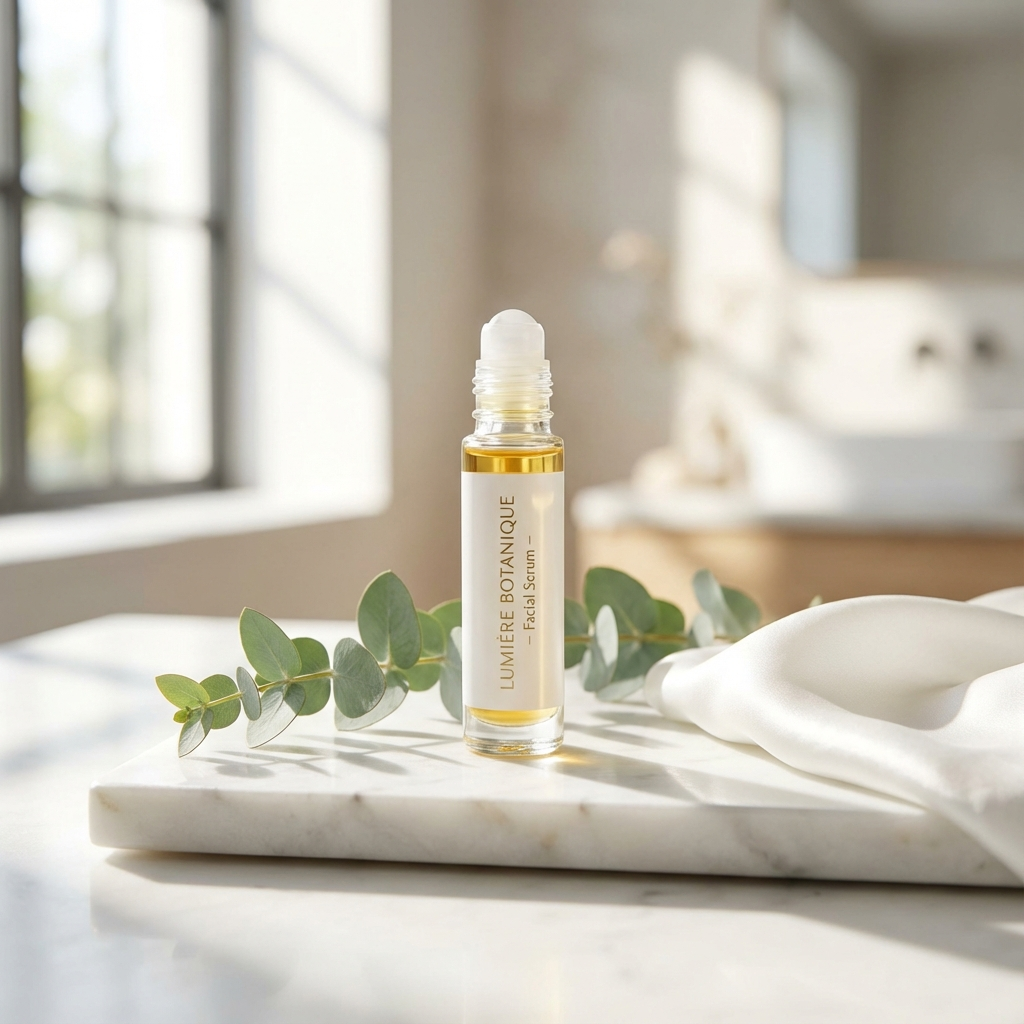
One product that's been generating significant buzz in skincare circles is QuickLift Anti-Wrinkle Oil. It's formulated with clinical-grade peptides and concentrated botanical extracts that work to support the skin's natural collagen production without needles or downtime. For those curious about making the switch from injectables to topical alternatives, Aluvia Skincare is currently running a limited-time promotion with savings up to 70% off on their official site.